


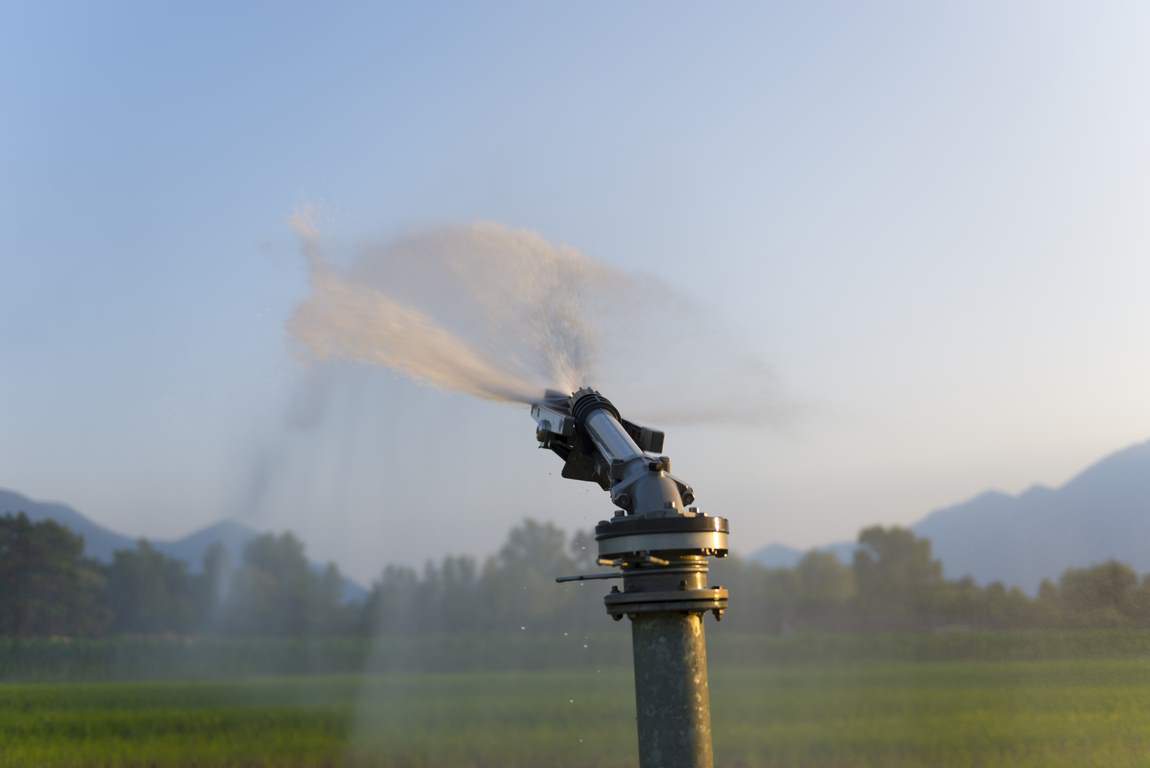
Walk any farmers-market aisle and you’ll overhear growers debating water the way bakers debate flour: each has a favorite source and a dozen strong opinions. Some swear by the steady pull of a nearby river; others trust only the well that’s kept the farm alive for generations. A few innovators pipe in city wastewater or trap every drop of rainfall.
The goal is simple—get just enough clean water to thirsty roots while spending as little money and soil health as possible—but the options couldn’t be more different.
Surface Water: Rivers, Canals, and Lakes
If your land borders a river that flows year-round, drawing surface water can feel like winning the irrigation lottery. There’s usually plenty to go around in late winter and spring, and the gravity-fed canals that older districts still rely on cost next to nothing to run. Yet every silver lining hides a cloud. Low summer levels force rationing at exactly the wrong moment, and a single upstream chemical spill can turn an entire season upside-down overnight.
Open channels also leak—evaporation and seepage claim more gallons than most growers care to admit, and weeds thrive along warm, slow stretches. When it works, surface water is brilliant; when it doesn’t, there’s no Plan B except praying for rain.
Groundwater: Deep Wells and Aquifers
Digging a well feels like independence: no river bureaucrats, no canal fees, just the hum of a pump and the splash into a holding tank. Groundwater arrives cool, clear, and consistent, which helps during unpredictable heat waves. The catch comes later. Each foot the water table drops steals a bit more electricity, and those power bills climb quietly year after year.
Minerals lurking below—iron, manganese, even salt in coastal plains—can gum up drip emitters or stunt delicate crops. Worst of all, aquifers recharge slowly, and neighbors rarely coordinate withdrawal rates, so over-pumping is everyone’s problem and nobody’s fault. Wells are free with a meter running.
Recycled Wastewater: Closing the Loop
Cities flush away millions of cubic meters daily, and treated effluent now lands in row crops, citrus groves, and turf farms from Arizona to Queensland. Done right, it’s a two-for-one deal: growers score a low-cost, fertilizer-rich flow while municipalities slash disposal costs. Filters and ultraviolet lamps knock pathogens down to safe levels, but oversight must stay sharp—one missed test can sour grocery-buyer confidence for years.
Salts and trace pharmaceuticals linger even after advanced treatment, so most farmers rotate soil amendments and run occasional freshwater flushes to keep electro-conductivity in check. It’s progress with paperwork, but the economics can be hard to beat.
Harvested Rainwater: Ponds, Tanks, and Timing
Nothing beats the purity of rain caught before it touches ground, and lining a hillside pond or dotting greenhouse gutters with barrels turns fleeting storms into insurance. Storage isn’t cheap, though; liners, silt traps, and algae management eat capital fast, and a dry spell can empty tanks just when tassels emerge.
That’s why many growers pair pond storage with vertical turbine pumps that tolerate fluctuating depths and push water into drip grids on demand. In wet years, the setup shines; in droughts, it’s a helpful supplement rather than a standalone answer, but the investment still pays off in consumer goodwill and modest utility savings.
Conclusion
Every source carries a personality as distinct as the soils it serves. Surface water is generous until it vanishes, wells are loyal until they’re not, recycled wastewater rewards vigilance, and rain capture gambles on the sky. Smart growers rarely marry just one; they blend two or three, hedge their risks, and watch the gauges like hawks. In irrigation, as in crops, diversity keeps the barn door open for another season.