


That “Big Project” Feeling—So, What’s Actually Headed Your Way?
You’re driving home, minding your own business, then you spot a fancy new sign near an empty lot: “Future Site of XXX Power Plant.” Next thing you know, everyone’s chatting about it at the coffee shop, and maybe you’ve got a few questions yourself. What’s involved? Is it good? Is it concerning? Let’s talk through what actually matters when a power plant is headed to your area, minus all the jargon and panic.
The Basics: What Kind of Plant Are We Talking About, Anyway?
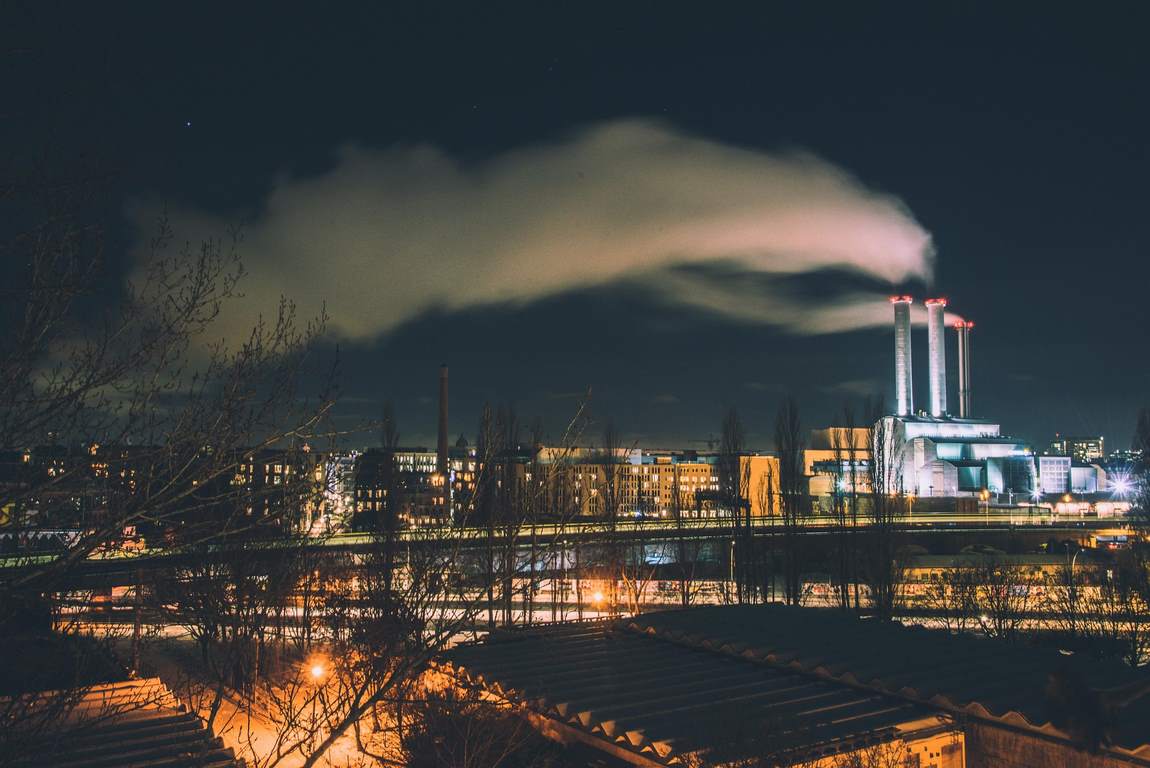
First up, there are a whole bunch of different kinds of power plants: natural gas, solar, wind, nuclear, hydro—you get the idea. It’s smart to find out which type is planned for your location, since each one works differently and brings its own quirks. Solar or wind? Expect a lot of panels (or big turbines) and a pretty small carbon footprint. A new gas plant? That means smokestacks, more trucks, and—at some point—a bit more scrutiny on air quality.
But no matter what kind, every plant has a few things in common: security fences, new access roads, and suddenly, a lot more brightly colored vests on your daily drive.
What’s Actually Going to Happen During Construction?
If you’ve never watched a big plant get built, here’s the deal. Months—sometimes years—of trucks, cranes, bulldozers, and construction crews rumble into town. You’ll hear the noise, especially early on. The traffic ramps up, mainly on weekdays. And construction sites are, well, a bit ugly before they start shaping up. Dust, bright lights at night, strange beeping sounds—it’ll all become familiar for a while.
The developers will also be working on something called the Electrical Balance of Plant (EBoP). That’s a mouthful, but it’s just the bundle of electrical systems that connect the main power-making parts to everything else so the plant actually works. It covers the wiring, switchgear, transformers, even backup generators—pretty much everything that keeps the plant humming and makes sure the electricity gets to the grid (and ultimately, to you).
How Will This Affect My Day-to-Day?
Let’s be honest—change isn’t always comfy. There’s the short-term hassle: construction noise, blocked roads, and maybe a little extra dust in the air. On the flip side, there’s usually a positive pop for local jobs, contracts for local suppliers, and the long-term promise of better electricity reliability or even lower prices (depending on the plant).
Some folks worry about health impacts, especially if it’s a fossil-fuel plant. It’s always worth asking city officials about environmental studies, air quality plans, and how they’ll handle safety concerns. If you’re curious—or skeptical—show up to a public meeting. This is exactly the place to ask questions and steer things in a direction that works for you and your neighbors.
What’s Going to Happen When It’s Finished?
Once construction wraps, life gets quieter, and the plant does its thing mostly in the background. Past the fences and humming substations, power is flowing, and your local energy grid is more robust. If it’s a renewable plant, that usually means a green boost for the neighborhood. Plus, new plants often chip in for community programs or upgrades (think park benches or sports fields).
Staying in the Loop
Bottom line: A new power plant can mean short-term mess and long-term perks (or, at least, more reliable lights on during thunderstorms). Keep an open mind, ask questions, and don’t be afraid to get your voice heard. And hey, you might walk away with some pretty interesting stories for the next block party!
Image by wal_172619 from Pixabay