


As more professionals, runners, and recreational athletes push their bodies harder, timely sports care is becoming essential, not optional.
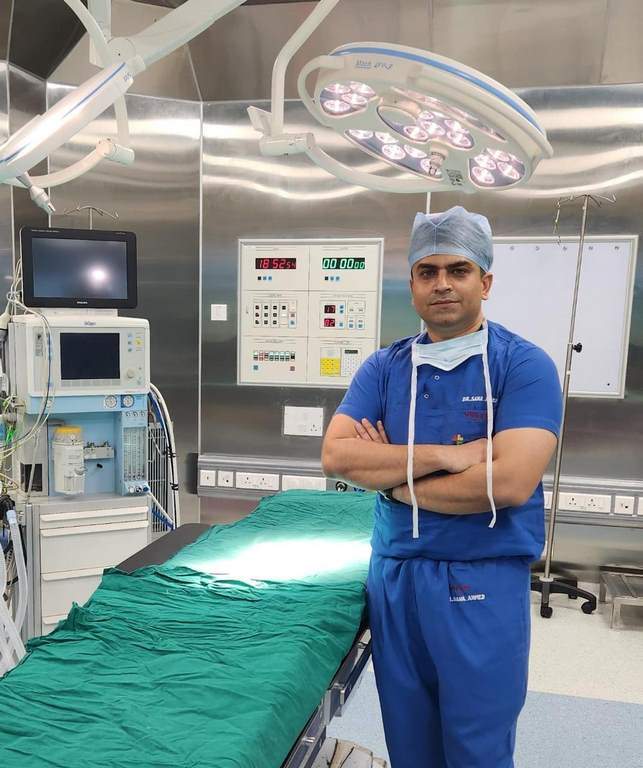
By Dr. Bhushan Shitole, Consultant Orthopaedic Surgeon, Vencer Hospital, Pune
Pune has always had a strong sporting culture, but in recent years, the city’s relationship with physical activity has changed visibly. Sport is no longer limited to trained athletes or structured clubs. It now lives in weekend cricket groups, badminton leagues, football turfs, cycling communities, gym challenges, running events, and fitness-driven social circles. That is a positive shift. But it has also created a medical reality we need to talk about more seriously.
Many people are becoming active faster than they are becoming physically prepared.
This is where sports medicine enters the conversation. Unfortunately, many still think sports medicine is only for elite athletes or people playing at a professional level. That is far from the truth. Today, the need for sports injury management is rising among everyday working adults, students, fitness enthusiasts, and even middle-aged individuals who are trying to become healthier but do not always understand how to condition the body correctly.
In Pune, especially, this becomes even more relevant during the summer months. As temperatures rise, so do the risks linked to dehydration, poor recovery, muscle fatigue, and reduced physical efficiency. People often head out for a run, a cricket match, or a high-intensity workout without respecting the effect heat has on the body. Muscles tire faster, balance changes, and concentration drops, and once that happens, the risk of strain, sprain, or overuse injury rises sharply.
What we now commonly see is not only one major traumatic injury. Very often, the real problem is repetitive stress. A person who sits for long hours through the week suddenly plays an intense match on the weekend. Someone with poor core strength signs up for a run without progressive training. A gym user lifts with enthusiasm but without form, mobility or recovery. The body may tolerate this for some time, but eventually it starts sending signals in the form of knee pain, shoulder stiffness, ankle instability, back strain or recurrent swelling.
These are not small signs to be ignored. They are early warnings.
The value of a sports medicine specialist in Pune lies in identifying not just the site of pain, but the reason behind it. Is the problem coming from weak muscles, poor biomechanics, inadequate warm-up, overload, or an untreated structural issue? Unless this is understood properly, many people keep treating symptoms while the actual cause continues to worsen.
At times, when there is persistent locking of the knee, ligament injury, meniscal damage, or recurrent joint instability, further intervention may be required. In such cases, the role of an arthroscopy surgeon in Pune becomes important. Arthroscopy can help diagnose and treat select joint conditions with precision, while allowing a more focused path toward recovery. But even then, no treatment is complete without guided rehabilitation, strength rebuilding, and a carefully planned return to activity.
“People should not wait for a severe injury before taking orthopaedic advice. In many cases, early intervention, correct diagnosis, and structured rehabilitation can prevent long-term damage and help patients return to sport safely and confidently,” says Dr. Bhushan Shitole, Consultant Orthopaedic Surgeon, Vencer Hospital, Pune.
Pune should absolutely continue to play more, move more, and live more actively. But the city also needs to build a deeper understanding of how to move intelligently. Fitness is not just about motivation. It is about preparation, discipline, recovery, and respect for the body.
That is why sports medicine is no longer a niche field. In a city like Pune, it is becoming a necessary part of modern healthcare.