


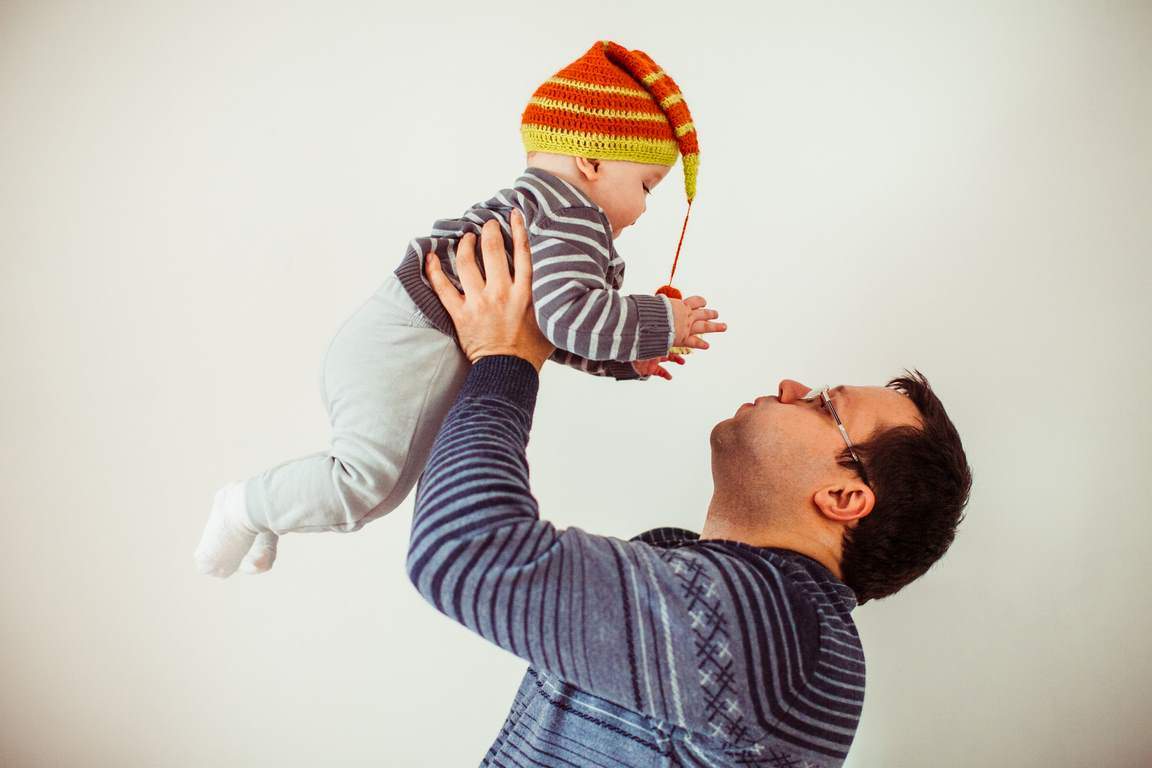
By Dr Vikram Huded, Director and Clinical Lead – Interventional Neurology, Narayana Health
In India, the very word ‘caregiving’ is largely synonymous with motherhood. Historically and culturally, Indian fathers have been predominantly viewed through the lens of financial providers and disciplinarians – expected to be pillars of strength, but often emotionally distant and functionally removed from day-to-day child-rearing.
This dynamic becomes even more pronounced in families raising neurodivergent children. Conditions such as autism spectrum disorder (ASD), attention deficit hyperactivity disorder (ADHD), Down syndrome, or cerebral palsy come with unique caregiving demands – often intensive, round-the-clock, and emotionally complex. In such homes, mothers are expected to sacrifice their careers and social lives to meet the child’s needs, while fathers are typically expected to “provide”.
But this narrative is changing.
A Quiet Shift in Indian Homes
Across cities and smaller towns, fathers are slowly – and often quietly – stepping into roles they were never groomed for. They are attending therapy sessions, sitting through speech assessments, managing meltdowns, negotiating with schools, and learning the vocabulary of developmental delays and sensory regulation. In some households, fathers have even taken the dramatic step of quitting their jobs to care for their children full-time – a reversal of traditional gender roles that was virtually unheard of a generation ago.
This shift is not always voluntary. Sometimes, it is born out of necessity – such as when the mother is unwell or also working full-time. But often, it is a choice – an act of conscious parenting. It reflects a deeper understanding that their child’s progress depends not only on therapies and medication, but also on consistent emotional presence.
The Emotional Labour of Fatherhood
For many of these men, the journey is a deeply personal one. They must wrestle not just with the complexities of their child’s condition, but also with the expectations placed on them by society, family, and even themselves. There are few role models. Few spaces where they can talk openly. And almost no representation in mainstream media or parenting conversations.
The emotional labour involved is immense – watching your child struggle with basic tasks other children perform with ease, dealing with schools that are ill-equipped or unsympathetic, and enduring the pain of isolation when neighbours, relatives, or peers offer well-meaning but ignorant advice.
And yet, these fathers show up. They adapt. They learn. And in doing so, they redefine masculinity in powerful ways – not through stoicism or success, but through sensitivity, advocacy, and presence.
Battling Stigma, Redefining Roles
In many parts of India, societal norms still discourage men from active parenting. Fathers who exhibit tenderness or take time off for caregiving are often met with disbelief or ridicule. Remarks like “He’s doing the mother’s job” or “Why can’t his wife handle it?” are not uncommon. These responses stem from deeply entrenched patriarchy – the idea that caregiving is incompatible with masculinity.
But the growing tribe of caregiving fathers is challenging these assumptions. They are normalising tears in therapy rooms, sharing parenting tips on online forums, and even starting support groups for other dads. In doing so, they are creating safer, more inclusive spaces for their children – and for themselves.
Healthcare Needs to Catch Up
This shift in caregiving roles also has implications for the healthcare system. Most hospitals, therapy centres, and schools still treat the mother as the default point of contact – often assuming she will understand the technicalities and shoulder the responsibility. It’s time for institutions to recognise and include fathers more actively in care plans, family counselling sessions, and early intervention programmes. Doing so not only supports the father but also improves outcomes for the child.
A Broader Vision for Fatherhood
This Father’s Day, let’s expand our definition of what fatherhood can look like – especially in the context of raising neurodivergent children. Let us honour not just the breadwinners or disciplinarians, but also the bath-time experts, the speech therapy companions, the sleepless-night watchers, and the homework tutors.
These men are not stepping in to “help”. They are parenting – fully and fiercely.
And by celebrating their stories, we are doing more than applauding individual courage. We are nudging society towards a model of shared caregiving. We are showing that care is not a mother’s duty – it is a parent’s instinct.
Let’s move one step closer to a future where the term “primary caregiver” could just as easily refer to the father.