


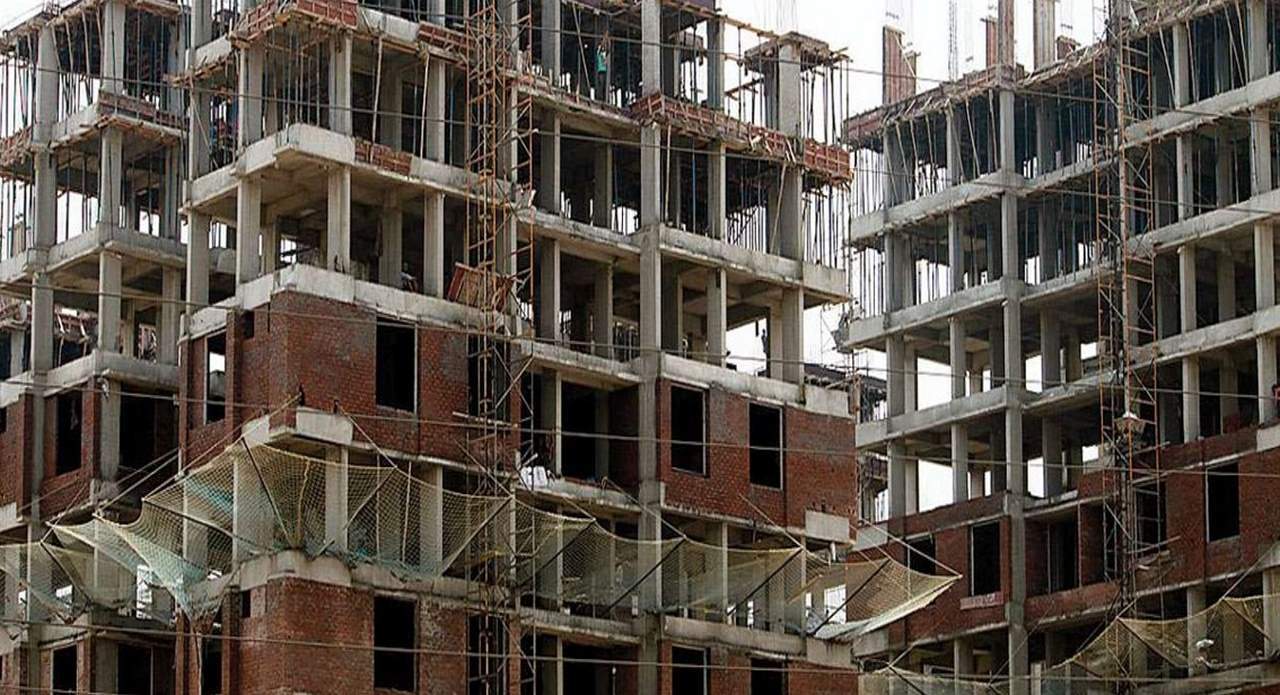
Mumbai’s urban trajectory is increasingly defined by inward transformation. In a land-constrained city, redevelopment has evolved from a reactive necessity into a strategic growth driver reshaping micro-markets, unlocking land value, and enabling a more resilient urban future. Today, it plays a central role in aligning infrastructure, housing, and community development.
The urgency is evident. A large share of Mumbai’s housing stock is ageing, and safety concerns are becoming more immediate. Recent civic assessments across the Mumbai Metropolitan Region have identified hundreds of unsafe buildings, underscoring the need for timely intervention.
What sets the current phase apart is its scale and increasing institutionalisation. Policy-driven initiatives are gaining momentum. The Maharashtra Housing and Area Development Authority (MHADA), for instance, has outlined plans to redevelop nearly 923 acres across multiple layouts, impacting over 75,000 residents. Additionally, redevelopment bids spanning 480 acres in the western suburbs reflect a shift towards cluster-led planning and integrated development.
This aligns with the state’s broader housing vision. Under Maharashtra’s 2026–27 roadmap, redevelopment is central to the ambition of transforming urban housing—covering the redevelopment of 20 lakh tenements and the creation of 10 lakh affordable homes across the MMR. This policy direction signals a transition from fragmented projects to a more systemic approach.
At the micro-market level, the picture is equally dynamic. Western suburbs continue to see strong redevelopment traction, supported by connectivity, social infrastructure, and sustained end-user demand. Meanwhile, eastern corridors such as Mulund, Ghatkopar, and Sion are gaining momentum, driven by metro expansion and improved road networks.
However, redevelopment is far from uniform. Each micro-market reflects its own distinct realities. In established suburbs, projects are increasingly linked to premiumisation—larger layouts, modern amenities, and upgraded lifestyles. In contrast, emerging locations are witnessing a more balanced approach, where redevelopment aligns closely with infrastructure growth and affordability.
A key trend shaping the sector is the rise of cluster redevelopment. Increasingly seen as the future of urban renewal, cluster-based models enable better planning, enhanced open spaces, and integrated infrastructure. Unlike standalone projects, they offer the opportunity to reimagine entire precincts, creating more cohesive and sustainable urban environments.
Encouragingly, the sector is also witnessing growing institutional participation. Large-scale investments and high-value transactions across key suburbs reflect rising confidence in redevelopment. This influx of capital is critical for improving financial discipline, execution capability, and timely delivery—areas that have historically been challenging.
The stakeholder ecosystem, too, is evolving. Housing societies are becoming more informed and proactive, while regulatory frameworks are gradually streamlining processes. Measures such as the 51%consent rule have helped simplify project initiation, reducing delays and improving transparency.
That said, execution challenges remain significant. Tenant rehabilitation, regulatory approvals, financing, and construction logistics continue to add complexity. There is also a need to balance aspirations with affordability. While redevelopment enhances living standards, it can also lead to higher maintenance and lifestyle costs post-occupancy—particularly in premium projects. Addressing this requires careful planning and long-term financial structuring by everyone involved.
Sustainability is emerging as another critical dimension. New-age redevelopment projects are increasingly incorporating green building practices, efficient resource use, and climate-resilient design—reflecting a shift towards more responsible urbanisation.
Looking ahead, the outlook remains robust. Industry estimates suggest redevelopment could add over 44,000new homes worth ₹1.3 lakh crore by 2030, reinforcing its role as a key supply driver. More importantly, this momentum is expected to sustain across market cycles.
Ultimately, redevelopment presents Mumbai with a unique opportunity—to grow without expanding, to modernise without displacing, and to create value while preserving its social fabric. When executed with vision and responsibility, it has the potential to redefine not just buildings, but the way the city lives, works, and evolves.
Author: Ayushi Ashar, Director, Ashar Group | Founder & CEO, Ashar Urban Futures Lab | Managing Committee Member, CREDAI-MCHI